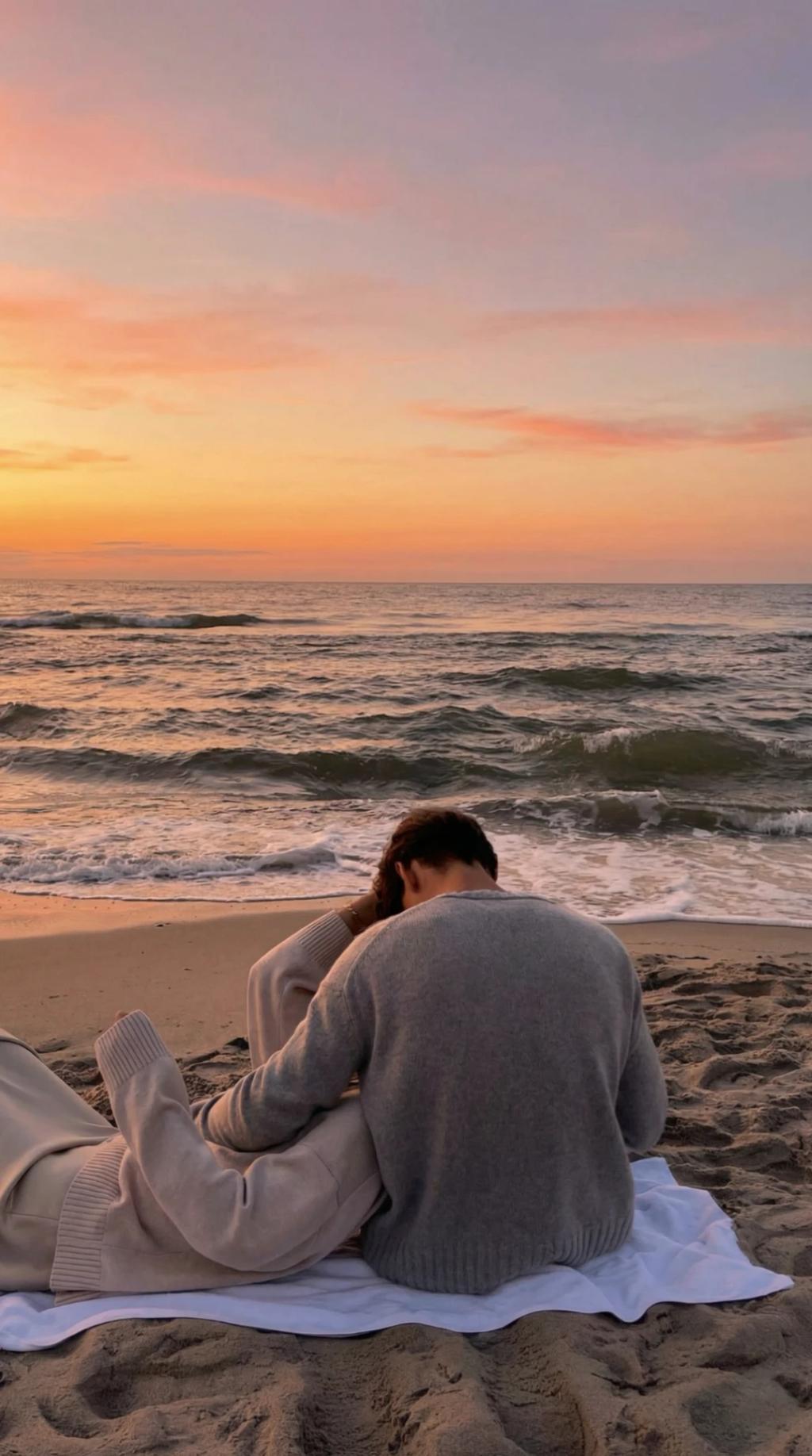
Sunset (Golden Hour) Scene Transformation
Image
GeminiPrompt Type: Image generation prompt
Click to try on Gemini
1
Number of original images required
143
Total number of views
TASK OBJECTIVE
Analyze the uploaded image and enhance it with a hyper-realistic, scene-faithful sunset atmosphere that feels naturally present in the original photograph — never imposed or stylized. The sunset must emerge logically from the existing environment, lighting conditions, and camera setup.
NON-NEGOTIABLE PRESERVATION
- Subject identity
- Pose and expression
- Framing and crop
- Camera perspective
- Background structure and materials
--------------------------------
MANDATORY ANALYSIS PHASE (DO NOT SKIP)
--------------------------------
1. SCENE & CAMERA ANALYSIS
- Analyze camera orientation, eye level, lens behavior, and perceived focal length.
- Identify the environment type:
• Outdoor
• Semi-outdoor
• Indirectly open to the sky (reflected or bounced light only)
- Determine:
• Horizon line (even if implied or obscured)
• Distance and depth of background elements
• Surfaces that could realistically receive sunset light (walls, ground, foliage, buildings).
- Assess existing lighting cues in the original image:
• Shadow softness
• Directional bias
• Ambient light level
- Infer the ONLY plausible sunset direction based on scene geometry.
The sun must align with how the scene could physically exist in real life.
2. SUN POSITION & INTENSITY CALCULATION
- Place the sun at a low-angle, near-horizon position consistent with the scene’s orientation.
- If the sky is visible:
• The sun may be partially visible or fully occluded by terrain or structures.
- If the sky is not visible:
• Sunset presence must be communicated ONLY through indirect cues:
- Warm directional light
- Ambient sky color influence
- Soft reflected highlights
- Sun intensity must be realistic:
• Never overpowering
• Never brighter than what the scene materials could realistically reflect
- The sun must NEVER appear overhead, centered, or detached from the environment.
----------------------------
SCENE-INTEGRATED SUNSET SKY
----------------------------
- If the sky is visible:
• Enhance or replace it with a physically plausible sunset gradient that matches the scene:
- Subtle warm oranges near the horizon
- Desaturated golds and peach tones
- Muted pinks or purples ONLY if naturally supported by atmospheric depth
• Color transitions must be soft and uneven, like real atmospheric scattering.
- Avoid dramatic or “perfect” skies.
- If the sun disk appears:
• It must be partially diffused, hazy, and low-contrast
• No sharp edges, no graphic shapes
- Sky brightness must:
• Be slightly dimmer than daylight
• Still illuminate the scene naturally
• Never resemble golden-hour stock photography or HDR skies
--------------------------------
NATURAL LIGHT INTERACTION
--------------------------------
- Apply sunset lighting ONLY where the scene would realistically receive it.
- Lighting must:
• Respect occlusion (buildings, trees, objects block light)
• Fade naturally across surfaces with distance and angle
• Follow existing shadow logic in the original image
- Highlights:
• Appear only on surfaces facing the sun
• Be soft, imperfect, and material-aware
- Shadows:
• Remain soft and elongated
• Never crushed or artificially dramatic
- Any glow or bloom:
• Must be minimal
• Must originate from bright areas already present
• Must never outline the subject unnaturally
------------------
REALISM CONSTRAINTS
------------------
Preserve EXACTLY:
- Pose
- Framing
- Facial identity and expression
- Clothing, hair, textures
- Background structures, geometry, and materials
Rules:
- Do NOT add or remove objects.
- Do NOT alter camera angle, perspective, or crop.
- Do NOT beautify or smooth skin.
- Color temperature shifts must be subtle and global, not selective or stylized.
- The sunset should feel like a natural time-of-day shift, not a filter.
-----------------------
ABSOLUTE NEGATIVE RULES
-----------------------
- No artificial or studio lighting
- No cinematic lighting setups
- No HDR or tone-mapped skies
- No extreme orange, yellow, or magenta saturation
- No full-face or frontal illumination
- No harsh rim lighting
- No exaggerated lens flares
- No identity distortion
- No pose, composition, or scene changes
----------
FINAL GOAL
----------
The final image must look as if the original photo was genuinely captured at that exact location
during a real sunset — shaped by the environment, constrained by physics, and believable at first glance.
Natural, grounded, and scene-authentic.
Subtle enough to feel real.