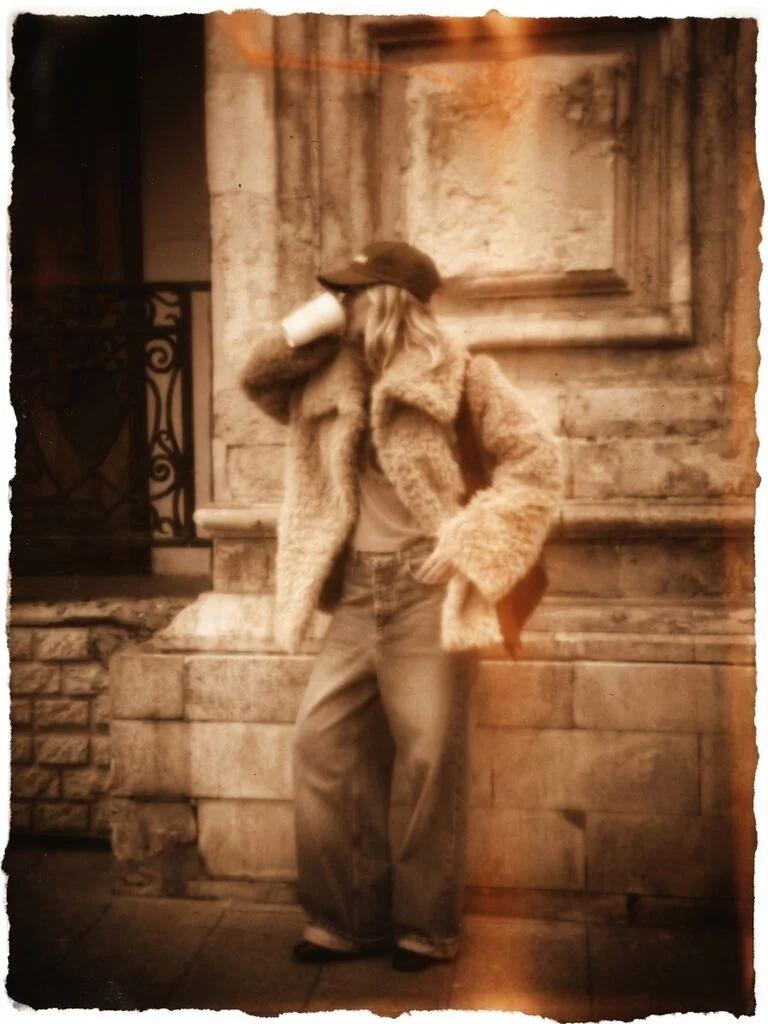
Pinhole Camera Obscura Long Exposure
Image
GeminiPrompt Type: Image generation prompt
Click to try on Gemini
1
Number of original images required
0
Total number of views
Transform the uploaded photo to look like it was captured through a handmade pinhole camera on light-sensitive paper, with all the beautiful imperfections of camera obscura photography.
Use the uploaded image as the reference. The result should look like an actual pinhole photograph developed in a darkroom.
**IDENTITY RETENTION (STRICT):**
- Preserve the subject's silhouette, pose, and general form
- Facial features should be softened but recognizable at the overall shape level
- Clothing and distinctive accessories remain identifiable
**PINHOLE CAMERA STYLE:**
- Extreme softness: no sharp focus anywhere in the image (pinhole has infinite depth of field but no sharp point)
- Dreamy, ethereal blur with a luminous glow around highlights
- Significant vignetting: heavy darkening at all four corners and edges
- Long exposure motion: slight ghost trails on moving elements
- Light leaks where the homemade camera body let in stray light (streaks and hot spots)
- Chemical staining from uneven development: orange/brown patches
**PHOTOGRAPHIC DETAILS:**
- Monochrome or warm sepia tone (as if developed on photographic paper)
- Inverted tonal range possible: some areas lighter/darker than expected
- Paper texture visible: fiber-based photographic paper grain
- Edges of the exposure show the raw paper border (uneven, not clean-cut)
- Slight barrel distortion from improvised lens
- Time feels stopped: the long exposure gives everything a timeless, ghostly quality
- Dust spots and scratches from the development process
**OUTPUT:**
- Centered composition with heavy vignette framing
- Warm sepia or cool blue tone
- Paper texture overlay
- Rough, handmade edges showing the photographic paper boundary
**NEGATIVE CONSTRAINTS:**
- No sharp focus anywhere — pinhole photos are uniformly soft
- No color — keep monochrome or limited toning
- No digital perfection — the beauty is in the imperfection
- No modern camera artifacts (no digital noise, no lens flare) — only analog imperfections